
Logistics
Consolidated shipping: why multi-winery B2B orders need one delivery plan
Pooling bottles from several estates into a single compliant movement, fewer touchpoints, and clearer costs for HoReCa buyers.
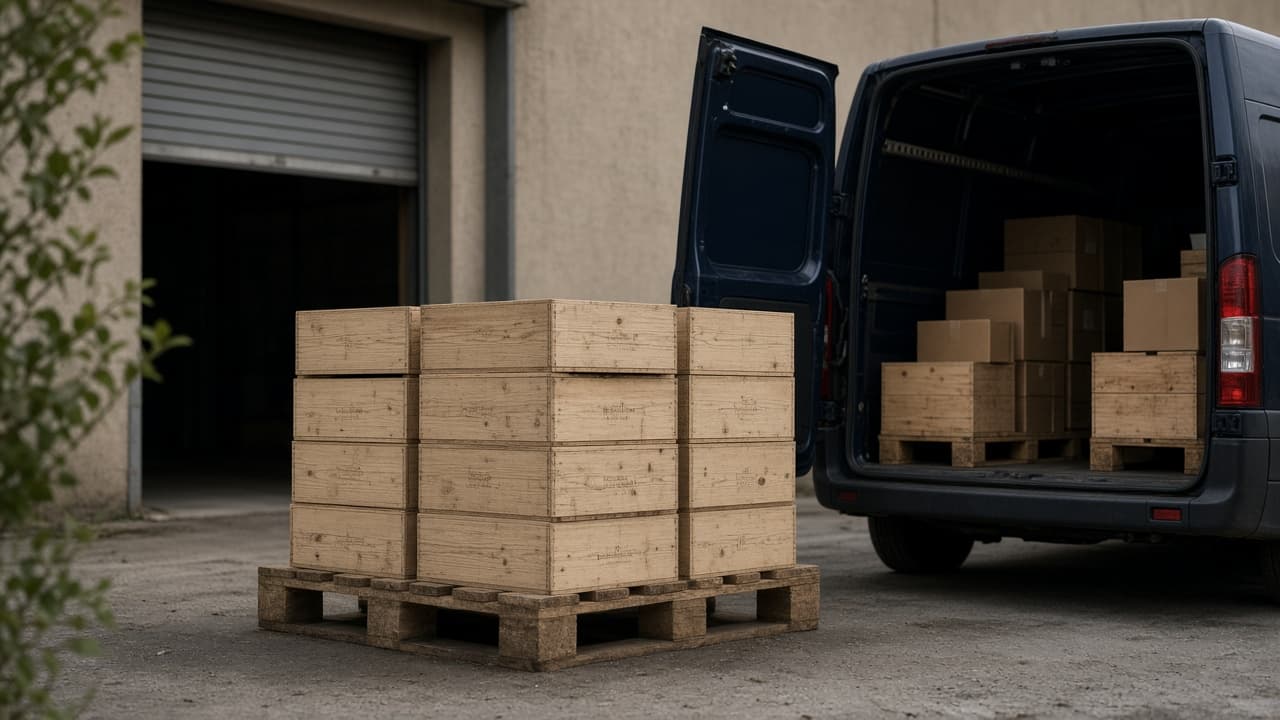
Consolidated shipping is how mixed Italian B2B orders stay affordable. Instead of ten small parcels from ten cellars, you receive one documented movement that respects case multiples, keeps the excise thread intact, and matches how your warehouse actually works. On Wine Connect that means 90 bottles per winery, 180 per order, multiples of 6, one inbound to France or Spain. This piece is about judging partners on the dock, not on tasting-room talk.
Why many small shipments break professional buying
Each extra outbound from Italy means another pick list, another customs packet, another chance for a label mismatch, and another block of staff time at receiving. Cost per bottle rises fast when nobody aggregates. Finance sees freight and handling that do not scale with list excitement. Operations sees a calendar of exceptions instead of a rhythm.
Italian wine multiplies the problem because buyers often want depth across regions: a few cases here, a few there, not a container of one SKU. Without consolidation you either inflate orders beyond what the list can turn, or you drop estates that only make sense in a mixed basket.
One movement your team can explain. Producer invoices still visible. That is the bar.
Teams sometimes resist consolidation because they fear loss of control per producer or a slower first delivery. A usable model keeps producer-level invoices and traceability, and still presents your dock with a single inbound.
What good multi-winery logistics looks like
Use these criteria when you compare channels. Ignore the poetry on the back label:
- Paper per producer, simplicity at the dock: You should still see which cases belong to which estate for margin and reordering, even when one truck arrives.
- Cut-off and lead time you can plan around: Consolidation adds a planning window. Partners should publish realistic cut-offs and variance, not last summer’s best case.
- Exceptions in writing: What happens when one line in the basket is short or delayed? Clear rules beat improvised phone trees when service is busy.
Wine Connect pools Italian producer picks into B2B consolidations built for trade buyers: case logic, document packs finance recognises, fewer workarounds at receiving. Trade only. VAT required. Delivery France and Spain. The list can stay broad without logistics living in exception mode.
If you use consolidation, align purchasing on a weekly or bi-weekly basket rhythm. Ad-hoc requests to add one more case tomorrow eat the economies the model is supposed to create.
Checklist before you rely on consolidation
Walk through with operations and finance, not only sommeliers.
- Dock capacity Can receiving absorb fewer, larger drops on the days you pick?
- Cash flow Does consolidated billing match how you approve supplier payments?
- MOQ fit Does 90 per winery still make sense inside a shared truck, with 180 on the whole order and multiples of 6?
- Traceability Can you tie every line to invoices and movement IDs after unboxing?
- Contingencies Written rules for partial fills, temperature claims and returns?
- Pilot One mixed basket before you move core SKUs onto the new rhythm?
In short
- Fragmentation taxes margin and morale.
- Good consolidation keeps producer clarity at document level.
- Wine Connect pools Italian estates into trade-grade shipments to France and Spain.
Open a trade account, see how a multi-winery Italian order consolidates against 90 per winery and 180 on the order, then run one pilot basket on your next list refresh.
Wine Connect. B2B marketplace for Italian wine, with logistics and compliance included. wearewineconnect.com